 IGNITE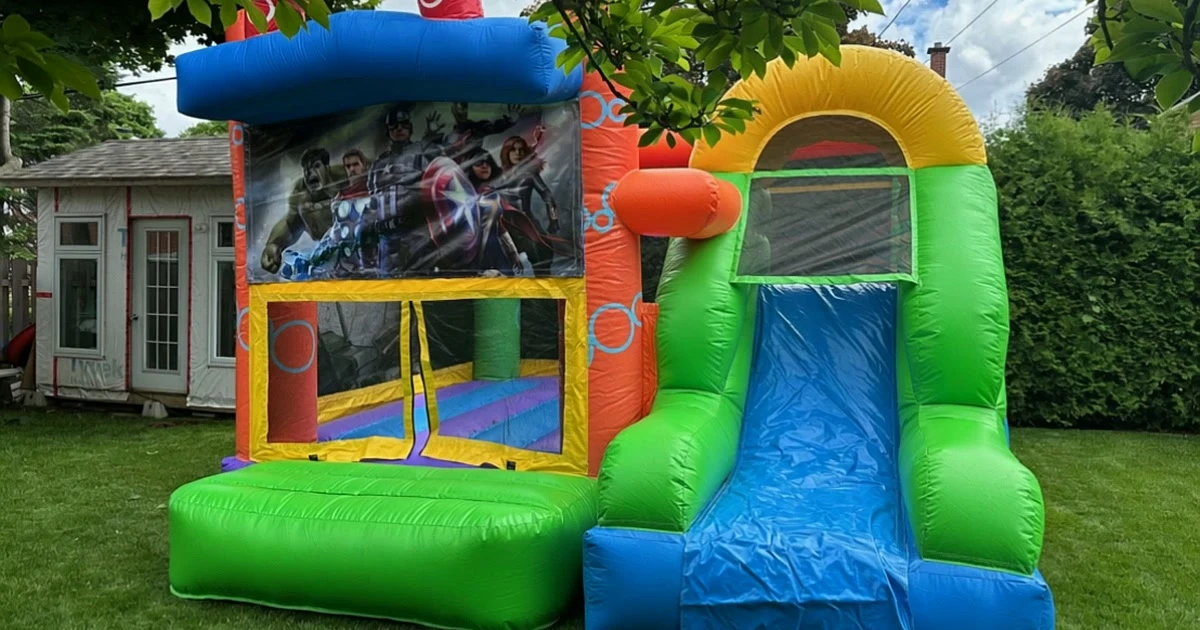
I used to think I was bad at social media. Turns out I was just bad at doing ten extra steps for a five-second clip nobody was making me do.
Here's the scene: a kids' event, one of those inflatable playground setups with a Hulk bounce house on one side and an Iron Man one on the other. My kid is jumping, I take a photo because that's what parents do, and a minute later I look at it and think: this might be the most boring picture I own. Two inflatable superheroes standing there looking vaguely constipated, my kid a blur in the corner. That's the photo I would've posted a year ago. It's the photo most business owners post every single day, and then they wonder why nobody comments, why the whole exercise feels like shouting into a well.
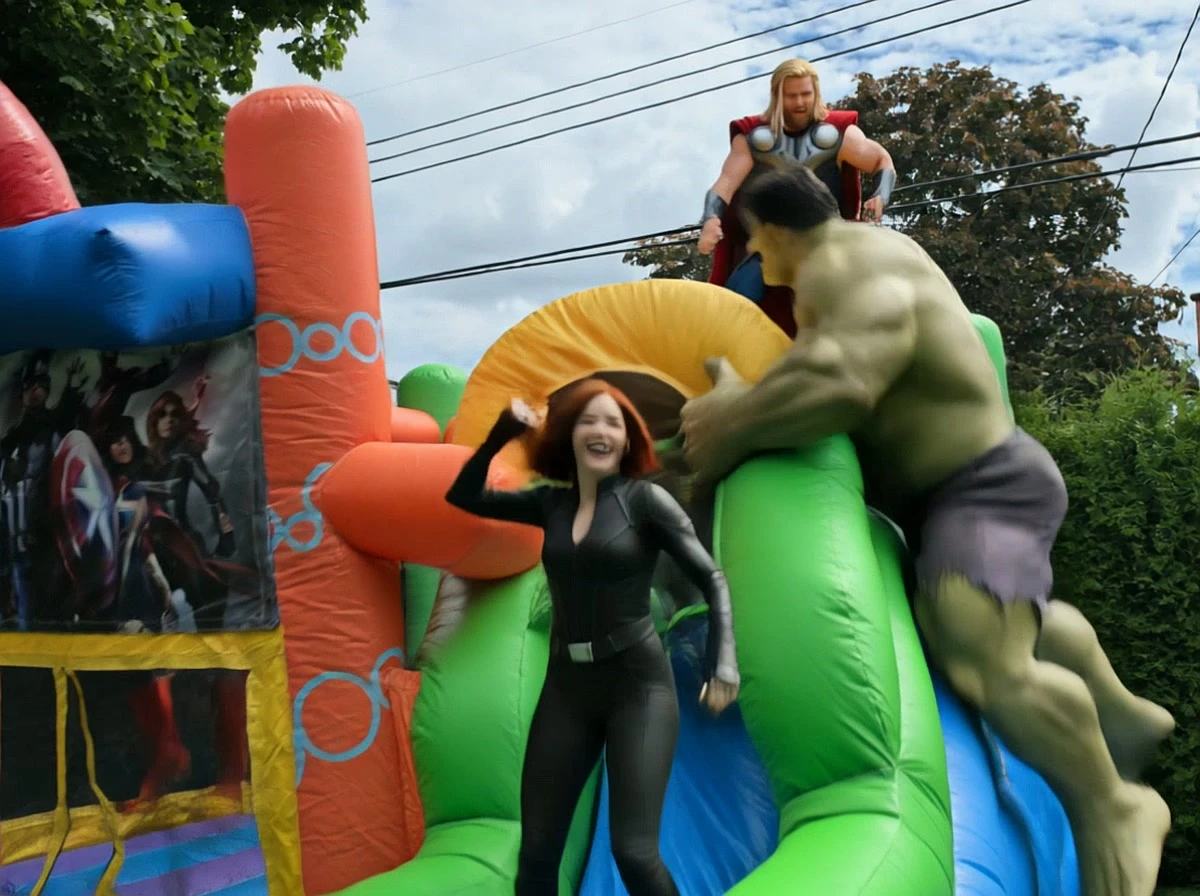
I didn't post it. Instead, I opened an AI content tool I'd been building for myself for months, dictated a description of the moment out loud while I was still holding a churro, and two minutes later I had a reel. Not the same photo with music slapped on top, an actual short clip with cartoon dolphins jumping across the screen in sync with my kid, colors popping, a caption that didn't sound like it came out of a corporate template. More people saw that post than anything I'd put up in months. Not because I got smarter about content overnight, but because I cut out the eight steps between "this is a fun moment" and "this is published." Turns out that gap, not creativity, was the actual problem the whole time.
That's the real story behind what became Marketing Machine, and it deserves to be told straight instead of dressed up as a pitch.
The problem was never ideas
For years I told myself I "wasn't a content person." I run a consulting practice, I build automations, I write code, I close deals. I never had twenty minutes a day to film myself, edit clips, write captions, and cross my fingers about an algorithm. I used to chalk that up to personality. It's not. It's friction.
Most small and midsize businesses already believe AI can help with marketing. The barrier isn't belief, it's that there are too many tools and not enough hours in the day to figure out which one actually deserves your trust. That was me, except swap "any AI tool" for "literally any content tool that promised to save me time and instead cost me an afternoon learning its interface."
The fix wasn't becoming a better creator. It was building something I could talk to out loud, from my phone, standing next to a bounce house, and have it hand me back something worth posting. No editing suite, no sitting down at a laptop that night once the moment had already gone cold.
I've written before about why I finally built my own content engine after nine years of fighting WordPress instead of just publishing. This bounce house moment is basically that story's sequel, except this time the fight was with Instagram and Facebook instead of a CMS.
The dolphins matter more than the tech
I could spend six paragraphs explaining the automation stack, how it pulls tone and brand voice from earlier posts before generating anything new. I'll spare you, because the tech is genuinely the least interesting part of this story. What matters is the before and after.
Before: a static photo of two inflatable superheroes and my son's elbow.
After: a short, punchy reel with cartoon dolphins jumping across the frame, timed to the beat, captioned in a way that actually sounds like a person wrote it, because a person did, just faster than usual.
Short-form video isn't a gimmick I'm attached to for sentimental reasons. It's currently the format marketers report using most and getting the best return from, according to HubSpot's research on short-form video trends. I didn't need a study to tell me a fifteen-second clip beats a still photo, but it's nice to know I wasn't imagining it.
What this has to do with your distributor business
Here's where I put my Ignite hat back on for a second, because this isn't just a cute parenting story. If you run a mid-size distributor, a hardware company, a business selling cameras or home automation or anything remotely technical, you're almost certainly making the same mistake I made with that bounce house photo. You're posting the boring version of your business when you have moments every single week that would make a genuinely good fifteen-second clip: a product demo, an install, a client reaction, a warehouse full of gear nobody outside your team has ever seen.
The gap isn't creativity. It's the same friction gap I had. Most distributors don't have a marketing engine, they have improvisation. There's no content calendar for the sales team, no consistent posting strategy, and every post feels like a special occasion instead of a habit. That's exactly the mess I dig into in what AI actually changes for small teams trying to keep up with content without hiring a marketing department.
And I want to be honest about something, because I don't think most people selling you on social media are: none of this sells anything directly. A reel with jumping dolphins didn't put money in my bank account. What it did was get more eyeballs on something I made, which is a more modest and more honest claim. Verizon's small business survey found that most small businesses say social media has a positive impact on their business, with Facebook as their single most-used platform for it. Positive impact, not "drove X in sales." Visibility is the honest promise here, and it's step one of any real marketing funnel for mid-size businesses, not the whole funnel.
Attention needs somewhere to go

That distinction matters more than it sounds. Attention without a system behind it just evaporates. This is where building a marketing machine actually earns the name: it's not one clever reel, it's a repeatable content strategy for B2B sales tied to automated lead nurturing, so that when someone raises their hand after watching your video, there's an actual next step waiting instead of a DM that goes unanswered for three weeks. This is really about turning content into leads, not turning content into applause. I've written before about how we built a lead pipeline without spending on ads, and that piece and this one are two halves of the same machine. Post consistently, then have a system that catches the interest you generate. Skip either half and you're just making noise. Real inbound marketing for distributors runs on both halves working at the same time, not one of them carrying the load while the other sits ignored.
Platform choice actually matters here
One more thing worth saying plainly, because I see distributors treat "social media" like one undifferentiated blob: it isn't, especially in Latin America. Instagram leads in Argentina, Brazil, and Chile, while Facebook is still the dominant platform in Colombia, Mexico, and Peru. And the age split is real too: younger audiences skew Instagram, while anyone over 38 still leans Facebook. If your buyer is a 45-year-old procurement manager in Mexico City, the platform you're obsessing over might be the wrong one entirely. This is a real piece of any social media strategy for B2B companies selling into this region, and it usually gets decided by instinct instead of data.
Consistency, not virality
I want to be clear about what I'm not promising, because I think the industry oversells this constantly. I'm not telling you a dolphin reel goes viral and fixes your pipeline. I'm telling you that removing the friction between "I noticed something interesting today" and "it's published" is the biggest lever for turning attention into customers over time. The businesses that win aren't the ones with one great post, they're the ones that show up every week without it costing them their whole afternoon. That's the whole thesis behind marketing automation done right for tech distributors: less heroics, more repetition.
I already wrote about the freelancers I stopped hiring once I realized most of what I was paying for was this exact same kind of friction, badly outsourced to someone slower than me. The lesson keeps repeating itself in different costumes. This time it happened to be wearing a Hulk suit.
So here's the question I'd leave you with, since I promised not to sell you anything in this post: how many good moments did your business have this month that never made it past your camera roll, just because posting them felt like too much work? Count them. That number is your actual content problem, and it has nothing to do with how creative you are.
FAQ
What was the real problem with the author's social media posts?
It wasn't a lack of creativity or good moments, it was friction. The gap between noticing something interesting and actually publishing it was too many steps for a busy person to bother with.
What is Marketing Machine?
It's an AI content tool the author built for himself that turns a spoken description of a moment into a polished short-form video, complete with animations and a caption, in just a couple of minutes.
Why does short-form video matter so much?
Short-form video is currently the format marketers report using most and getting the best return from, and a punchy fifteen-second clip simply beats a static photo for grabbing attention.
Does posting more content directly increase sales?
Not directly. Social media mainly delivers visibility and positive impact on a business, which is just step one of a real marketing funnel, not a guarantee of sales on its own.
Why does platform choice matter for distributors in Latin America?
Because platform use varies by country and age group. Instagram leads in Argentina, Brazil, and Chile, while Facebook still dominates in Colombia, Mexico, and Peru, and younger audiences skew Instagram while people over 38 lean Facebook.
What's needed besides posting consistently to actually get results?
A system to catch the attention you generate, like automated lead nurturing, so interested viewers have a next step instead of an unanswered DM. Consistency plus a follow-up system is what turns content into leads instead of just applause.